Skip to content

THIS TOOLKIT IS PROVIDED BY RECYCLE, MICHIGAN—AN EDUCATION AND OUTREACH INITIATIVE OF THE MICHIGAN RECYCLING COALITION

RMI logo

RESIDENTIAL EDUCATION & OUTREACH TOOLKIT

RESIDENTIAL EDUCATION & OUTREACH TOOLKIT

  • Resources
    • Outreach Guidance
    • Special Materials
    • Composting
    • Marketing Materials
    • Program Management
    • Education Guidance
    • Photo Library
    • Social Media
  • Support
    • Glossary

SPECIAL MATERIALS

QUICK LINKS

Outreach Guidance

Composting

Marketing Materials

Program Management

Education Guidance

Photo Library

Social Media

Topic Overview

If you're looking for information about materials that are usually not accepted in curbside programs or essential drop-offs, check out the resources below:

  • Tires

  • Textiles

  • String Lights

  • PS Foam

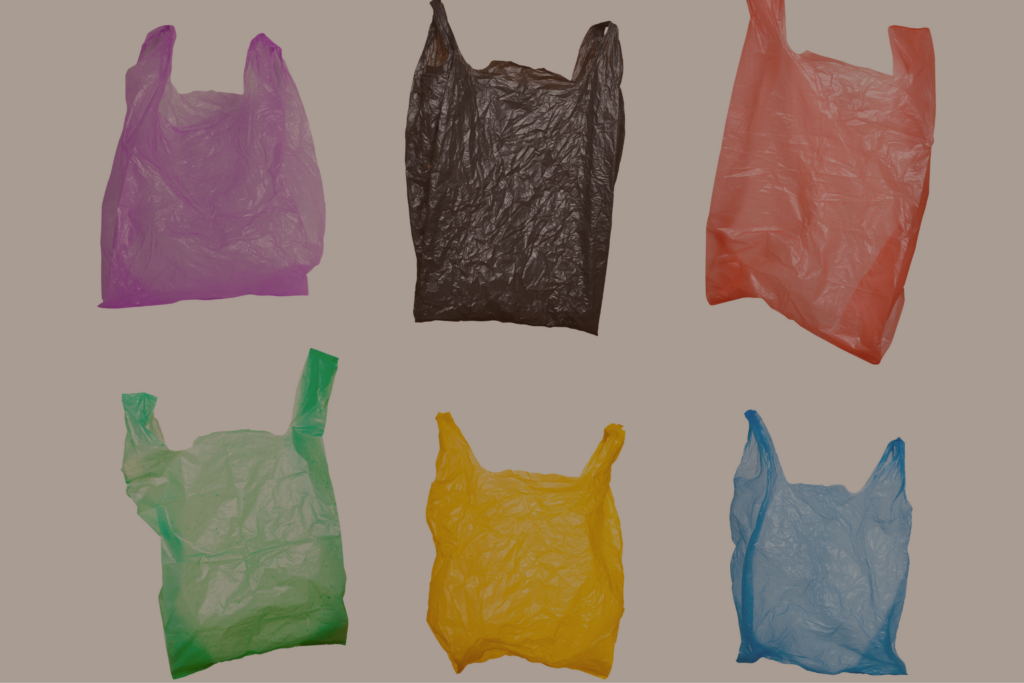
  • Plastic Bags & Film

  • Paint

  • Household Hazardous Waste

  • Electronics

  • Batteries

Electronics

Textiles

Household Hazardous Waste

String Lights

Plastic Bags & Film

Tires

QUICK LINKS

Outreach Guidance

Composting

Marketing Materials

Program Management

Education Guidance

Photo Library

Social Media

The Michigan Recycling Coalition (MRC) represents recycling and composting interests statewide. The Coalition is a recognized authority on waste reduction, beneficial utilization, recycling, and composting through the experience of its staff and committees.

CONTACT MRC | Address: PO Box 10070, Lansing, MI 48901 |
Email: info@michiganrecycles.org


mail icon facebook icon linkedin icon  youtube logo instagram logo
The Michigan Recycling Coalition does not and shall not discriminate on the basis of race, color, religion, gender, gender expression, age, national origin, disability, marital status, sexual orientation, or military status, in any of its activities or operations. We are committed to providing an inclusive and welcoming environment for all members of our staff, clients, volunteers, subcontractors, vendors, and clients. See more information here.


© 2026 | Michigan Recycling Coalition
Super Drop-Off

INDUSTRY DEFINITION: 
A drop-off center that accepts both standard materials (flattened cardboard, metal containers, mixed paper, glass bottles and jars, and plastic containers) as well as at least three expanded materials, i.e., plastic film, textiles, electronics, HHW, organics, etc. This term can be used in place of “expanded drop-off” or “comprehensive drop-off.”

PUBLIC-FACING LANGUAGE: 
Recycling Drop-Off

CATEGORY: 
Collection Term

NOTES: 
There is no need to create a distinction between an essential, standard, super, or expanded drop-off when speaking with the public. Simply call this facility a "recycling drop-off" and provide a list of the items accepted there.

Recycling Cart

INDUSTRY DEFINITION:
Recycling carts are rolled receptacles that are typically 35, 64, or 96 gallons. They are usually emptied using an automated side loader vehicle. The cart is serviced by an arm that grabs the cart and empties the recycling or trash into the “hopper” or body of the recycling or trash vehicle. All recycling contents are mixed together in one truck or one compartment of the truck. Recycling carts allow for more material collection, protection of materials within the receptacle with a lid, and easier set-out for residents due to the rolling mechanism. Communities that implement curbside carts experience higher volumes of collection and increased participation.

PUBLIC-FACING LANGUAGE: 
Recycling Cart or Bin

CATEGORY:
Collection Term

NOTES: 
Many residents call their recycling cart their recycling bin, and do not make the distinction between a smaller square open recycling receptacle and the rolling cart. It's best to use the language "recycling cart or bin" when referring to these containers to reduce confusion.

Home Composting

INDUSTRY DEFINITION: 
Home composting is the aerobic composting process at the individual, residential level, separate from curbside compost collections. Common examples are backyard composting within a bin or tumbler system, the use of kitchen tabletop electric food recyclers, indoor or outdoor worm bins, or indoor Bokashi bins.

PUBLIC-FACING LANGUAGE: 
Home Composting

NOTES: 
This should be used in place of “backyard" or "yard composting,” as not all individual composters have access to a yard, and home composting is more inclusive of residential activities that take place indoors.

Essential Drop-Off

INDUSTRY DEFINITION:
A drop-off facility that accepts only standard materials (flattened cardboard, metal containers, mixed paper, glass bottles and jars, and plastic containers). This term can be used in place of "basic drop-off" or "standard drop-off" within the industry.

PUBLIC-FACING LANGUAGE:
Recycling Drop-Off

CATEGORY:
Collection Term

NOTES:
There is no need to create a distinction between an essential, standard, super, or comprehensive drop-off when speaking with the public. Simply call this facility a "recycling drop-off" and provide the list of accepted items.

Survey Tips
Set-Out Rate
Public-Private Partnership (P3)

INDUSTRY DEFINITION: 
A collaborative agreement between a government entity and a private company to finance, develop, and manage recycling infrastructure and services. These partnerships leverage private sector investment, technology, and efficiency with public sector oversight, regulations, and expertise to improve recycling rates, enhance sustainability, and create jobs.

PUBLIC-FACING LANGUAGE: 
Public-Private Partnership or Collaboration

CATEGORY:
Not public policy?

NOTES: 
Public-Private Partnerships are an increasingly popular way to fund recycling initiatives. There may be a way to supplement grant funding or decrease budget burdens for recycling program updates or new initiatives.

Source Reduction

INDUSTRY DEFINITION: 
Bringing production in line with demand to prevent surplus products.

PUBLIC-FACING LANGUAGE: 
Reduce, Refuse

CATEGORY: 
Sorting Term

NOTES: 
A somewhat newer industry term that is growing in popularity with EPR initiatives that include measures/plans for source reduction. This is not yetin the public language yet so stick to terms like "reduce" or "waste reduction."

Organics

INDUSTRY DEFINITION: 
Organic materials are those that are or once were alive and can be composted rather than recycled. This includes food waste, yard waste, farm waste, and soiled paper. It can be generated both at homes and in commercial settings.

PUBLIC-FACING LANGUAGE:
Organics

CATEGORY: 
Sorting Term

NOTES: 
How your program refers to organics may depend on your collection and processing options. Some places may just have yard clippings included in their porgrams, while others may include food waste as well. Be sure your residents understand what you mean when you say "organics."

Source-Separated Collection

INDUSTRY DEFINITION: 
Incoming recyclables that have been separated from other materials at the point of collection (drop-off and/or curbside collection programs). Some additional processing may be needed to further sort materials, such as separating plastics types or glass of differing colors. The primary purpose of the sorting facility is to separate materials into marketable commodities, remove contaminants, and prepare the material for market (baling, flattening, or crushing, etc).

PUBLIC-FACING LANGUAGE: 
Sorted Recyclables

CATEGORY: 
Collection Term

NOTES: 
This reers to items or materials that have already been separated by the person or organization that generated them. They do not require further separation at a sorting facility before being sent to a recycler. A common example of this is plastic shopping bags that are returned to a grocery or big box store and placed in a collection container with only other plastic bags.

Glass Bottles & Jars

INDUSTRY DEFINITION: 
Glass containers are packaging for food and beverages. Using the terms glass bottles and jars helps to avoid window glass and ceramic cups/plates. This is not the same material that is used in making new bottles or fiberglass.

PUBLIC-FACING LANGUAGE: 
Glass Bottles & Jars

CATEGORY: 
Recycling Program Terms

NOTES: 
Clean and empty bottles & jars only. No windows or ceramic containers.

Plastic Containers

INDUSTRY DEFINITION: 
Plastic containers are packaging for food, beverages, and soap and shampoo made from one of the 7 types of plastics. Plastic is the most confusing of the recyclables. Keep it simple: food, beverage, and soap containers. This avoids plastic bags/wrap that can cause equipment stoppages and plastics containing dangerous chemicals.

PUBLIC-FACING LANGUAGE: 
Plastic Containers

CATEGORY: 
Recycling Program Terms

NOTES: 
You can also refer to plastic in the room of your home where you may find it. Mainly, plastic is used in the kitchen or bathroom for food, beverage, or soap containers. We reference all plastic types in this guide, however, plastic containers is a best practice. Simple instructions: Clean and empty food and beverage containers, soap bottles, and jugs.

Mixed Paper

INDUSTRY DEFINITION: 
The EPA defines mixed paper as a broad category that often includes items such as discarded mail, telephone books, paperboard, magazines, and catalogs. Paper mills use mixed paper to produce paperboard and tissue, as a secondary fiber in the production of new paper, or as a raw material in non paper products such as gypsum wallboard, chipboard, roofing felt, cellulose insulation, and molded pulp products such as egg cartons.

PUBLIC-FACING LANGUAGE: 
Mixed Paper

CATEGORY: 
Recycling Program Terms

NOTES: 
Some older programs may list phone books as recyclable. Look at your program list and remove references to outdated materials. Avoid using terms like "fiber" or paper grades as these are industry terms.


Metal Containers

INDUSTRY DEFINITION: 
Metal containers are steel, tin, or aluminum containers for food and beverages like pop cans and cans of tuna.

PUBLIC-FACING LANGUAGE: 
Metal Food and Beverage Containers

CATEGORY: 
Recycling Program Terms

NOTES: 
Using the word "container" along with metal encourages recycling of food and beverage containers and not scrap metal in curbside recycling. Add the instructions "clean and empty metal food and beverage containers" for clarity.

Old Corrugated Cardboard (OCC)

INDUSTRY DEFINITION: 
Corrugated cardboard boxes are typically used to deliver products. These boxes are fortified with a layer of wavy ridges that add space betwen the paper layers for packaging protection.

PUBLIC-FACING LANGUAGE: 
Corrugated cardboard

CATEGORY: 
Recycling Program Terms

NOTES: 
Always say "flattened" with cardboard to encourage empty boxes. Photos should depict flattened boxes.

Zero Waste

INDUSTRY DEFINITION: 
A system that incorporates reducing, reusing, and composting as much waste as feasibly possible. There is also a focus on resource conservation through responsible production, consumption, and reuse. A 90% diversion rate or higher is the general standard for being considered zero waste.

PUBLIC-FACING LANGUAGE: 
Zero Waste

CATEGORY: 
Public Policy Initiaitves

NOTES: 
Many communities have adopted the term Zero Waste. However, it does not mean no waste produced ever. It aims to keep 90% of waste out of landfills using a systemic approach to waste minimization.

Product Stewardship

INDUSTRY DEFINITION:
Product stewardship is the responsible management of a product's impacts throughout its entire lifecycle. A range of voluntary approaches, financed by producers, exist to manage end-of-life impacts of products and packaging, often by increasing post-consumer material recovery. Approaches may include industry collaboration, coalition building, and public-private partnerships to establish or enhance material collection and processing to achieve goals.

PUBLIC-FACING LANGUAGE: 
Product Stewardship

CATEGORY: 
Public Policy Initiatives

NOTES: 
VPR does not generally require supporting legislation, but does require program education and outreach.

Pay-As-You-Throw (PAYT)

INDUSTRY DEFINITION: 
A fee structure for solid waste collection and disposal that is based on the amount of solid waste generated. Under a PAYT system, residents are charged a variable rate depending on the amount of service they use. Most commodities with PAYT charge residents a fee for each bag or volume cart of waste they fill. In a few communities, residents are billed based on the weight of solid waste.

PUBLIC-FACING LANGUAGE: 
Pay-as-you-throw or pay by the bag/cart

CATEGORY: 
Public Policy Initiatives

NOTES: 
This approach to waste collection promotes fairness, lowering the cost of waste management for households that generate less waste. By also offering recycling, communities provide an incentive to reduce waste by participating in recycling programs.

Extended Producer Responsibility (EPR)

INDUSTRY DEFINITION: 
Extended producer responsibility is a policy approach that requires producers to account for and manage the full lifecycle of their products and packaging. EPR legislation aims to do this by shifting the financial and/or management burden of end-of-life management onto the producers where design and development decisions are made. EPR policies are in place all over the world for a variety of products that require specific handling and management at the end-of-life.

PUBLIC-FACING LANGUAGE: 
While the use of "EPR" is gaining popularity throughout the industry, these policies are not yet recognizable for the public. Giving examples of EPR is best, i.e. in Oregon, they have a statewide system where the companies that produce packaging pay for it to be recycled, composted, or reduce the amount of packaging they use in their products.

CATEGORY: 
Public Policy Initiatives

NOTES: 
More than 160 EPR laws in the US cover products such as paint, mattresses, tires, carpet, mercury switches, and more. There are currently seven states that have enacted EPR legislation for packaging and paper products.

Material Recovery Facility or Material Recycling Facility (MRF)

INDUSTRY DEFINITION: 
A facility that accepts commingled (mixed) recyclable materials that have already been separated from municipal solid waste generated by either households or commercial sources.

PUBLIC-FACING LANGUAGE: 
Recycling Facility

CATEGORY: 
Operational Industry Term

NOTES: 
Generally, MRFs are designed to handle specific materials at a consistent volume. Recyclables can be received in three ways - single stream, dual stream, and source separated. The MRF is where residential recycling goes for sorting and consolidating before being sent to a processor or manufacturer.

Waste Diversion

INDUSTRY DEFINITION: 
Also called landfill diversion, this refers to the process of preventing waste from going to landfills by redirecting it to recycling or composting facilities.

PUBLIC-FACING LANGUAGE: 
Keeping waste out of landfills

CATEGORY: 
Operational Industry Term

NOTES: 
Some municipalities report out on their annual waste diversion and what that may mean for landfill space, greenhouse gas savings, and othere environmental benefits.

Waste-to-Energy (WTE)

INDUSTRY DEFINITION: 
A facility that incinerates accumulated municipal waste in a way that creates energy to be used for other purposes like electricity.

PUBLIC-FACING LANGUAGE: 
Waste-to-Energy Facility

CATEGORY: 
Operational Industry Term

NOTES: 
Michigan has one waste-to-energy facility for MSW in Grand Rapids.

Recycling Commodities

INDUSTRY DEFINITION:
Materials collected for recycling are sorted by commodity type, which means types of recyclable material that have hte same composition. For example, #2 plastics are generally sorted into two commodity streams - colored and natural. Commodity types are industry standards for trade, because once they are sorted, they are sold to end markets as feedstock for manufacturing. While market values of commodities change on a regular basis depending on supply, demand, and quality, commodity standards remain fixed until industry agrees on changes.

PUBLIC-FACING LANGUAGE: 
Recyclable Materials or Accepted Recyclables - you can also orefer to them by category type. Keep it simple when possible!

CATEGORY: 
Operational Industry Term

NOTES: 
Most people do not think of recyclables as "commodities" like in the stock market, but recyclables are graded and sold regularly, like any other commodity. The money earned form the sale of recyclables helps offset the cost of recycling services.

Expanded Polystyrene (EPS)

INDUSTRY DEFINITION: 
PS #6 plastic is commonly found as "foam" or EPS, Expanded Polystyrene used for takeout food containers and single-use cups. It is generally not accepted in curbside recycling programs, but recycling opportunities are growing through local drop-off programs.

PUBLIC-FACING LANGUAGE: 
Foam cups and containers

CATEGORY: 
Operational Industry Term

NOTES: 
Avoid using the trademarked term "Styrofoam" and just use "foam" or "EPS foam."

Polystyrene (PS)

INDUSTRY DEFINITION:
PS #6 plastic is commonly found in single-use cups. Program acceptance may vary depending on end markets.

PUBLIC-FACING LANGUAGE:
Plastic cups and containers

CATEGORY:
Operational Industry Term

NOTES:
Avoid using trademarked terms like "solo cup" and simply say "plastic cup"

Polypropylene (PP)

INDUSTRY DEFINITION: 
PP #5 is used in straws, soft drink cups, and certain food containers. PP plastic can be recycled, but check to make sure it's accepted at the local MRF.

PUBLIC-FACING LANGUAGE: 
Plastic Containers

CATEGORY: 
Operational Industry Term

NOTES: 
If your program currently refers to resin codes in your educational materials, consider referring to plastic bottles and containers or just plastic bottles if that is what is accepted. Make it easy for residents.

Low Density Polyethylene (LDPE)

INDUSTRY DEFINITION: 
LDPE #4 is a soft, flexible type of plastic considered a plastic film. LDPE is commonly used to make thin plastic bags i.e. grocery bags, bread bags, and shrink wrap around many products. These are typically thought of as stringy tanglers and can get wrapped around and in recycling sorting equipment, so these materials are generally collected in bins at the front of participating grocery stores. A limited humber of curbside programs do accept bags in their prgograms. Check locally for collection information.

PUBLIC-FACING LANGUAGE: 
Stretchy plastic bags and wrap

CATEGORY: 
Operational Industry Term

NOTES: 
If your program currently refers to resin codes in your educational materials, consider referring to plastic bottles and containers or just plastic bottles if that is what is accepted. Make it easy for residents.

Polyvinyl Chloride (PVC)

INDUSTRY DEFINITION: 
PVC #3 is more difficult to recycle than PET #1 and HDPE #2. This type of plastic can be found in children's toys and a variety of bottles, including detergent and shampoo.

PUBLIC-FACING LANGUAGE: 
Plastic Containers

CATEGORY:
Operational Industry Term

NOTES: 
If your program currently refers to resin codes in your educational materials, consider referring to plastic bottles and containers or just plastic bottles if that is what is accepted. Make it easy for residents.

High Density Polyethylene (HDPE)

INDUSTRY DEFINITION: 
HDPE #2 is a recyclable plastic material that generally comes in colors or natural (no pigment). These are a mix of bottles, defined with a neck or mouth smaller than the base. An example of natural HDPE is a milk jug. An example of colored HDPE is a detergent bottle.

PUBLIC-FACING LANGUAGE: 
Plastic Containers

CATEGORY: 
Operational Industry Terms

NOTES: 
These containers are collected widely in recycling prrograms. If your program currently refers to resin codes in your educational materials, consider referring to bottles and containers or just bottles if that is what is accepted. Make it easy for residents.

Polyethylene Terephthalate (PET or PETE)

INDUSTRY DEFINITION: 
PET #1 is a type of recyclable plastic used to package beverages, food, and other liquids. PET can be semi-rigid and is very lightweight. It acts as a good barrier to alcohol and solvents. It is strong, impact-resistant, and naturally colorless and transparent.

PUBLIC-FACING LANGUAGE: 
Plastic containers and jugs

CATEGORY: 
Operational Industry Terms

NOTES: 
These containers are collected widely in recycling programs. If your program currently refers to resin codes in your educational materials, consider referring to plastic bottles and containers or just plastic bottles if that is what is accepted. Make it easy for residents.

Resin Identification Code

INDUSTRY DEFINITION: 
A numerical coding system in which symbols and numbers are molded directly onto plastic bottles and containers to identify the resin from which they are made. The RIC was established in the late 1980s by the Plastic Bottle Institute. While surrounded by a recycling symbol, these numbers serve to identify the type of plastic used.
#1 - polyethylene terepthalate (PET) - example: plastic water bottles
#2 - high density polyethylene (HDPE) - example: milk jugs
#3 - polyvinyl chloride (PVC) - example: water pipes
#4 - low density polyethylene (LDPE) - example: plastic bags
#6 - polystyrene (PS) - example: foam cups
#7 - mixed plastic or other

PUBLIC-FACING LANGUGAGE: 
Plastic Containers (avoid referring to recycling by numbers)

CATEGORY: 
Operational Industry Terms

NOTES: 
If your program currently refers to resin codes on your educational materials, consider referring to them as plastic bottles and containers or just plastic bottles if that is what is accepted. Make it easy for residents to understand.

End Markets

INDUSTRY DEFINITION:
Recycled commodities are sold to end markets, generally manufacturers, who use the materials to make new products. Some end markets are "circular," meaning the items are recycled into the same material that they were made from (i.e. cardboard box becomes a new cardboard box). Some end markets "downcycle" or make recycled materials into other items that can't be easily recycled again (i.e. a plastic bottle becomes a shirt made from plastic fibers). This is still a valuable end market that saves virgin materials.

PUBLIC-FACING LANGUAGE: 
End markets purchase processed recyclables to create new products.

CATEGORY: 
Operational Industry Term

NOTES: 
Emphasize the importance of buying items that are made with recycled content to close the recycling loop. Telling the story of materials becoming new items helps enforce the importance of recycling.

Commercial Recycling

INDUSTRY DEFINITION: 
Municipal solid waste (MSW) refers to the recycling or trash collected by both the residential or commercial sector. The commercial sector can generate high volumes of specific materials and manages them for collection in a dumpster, compactor, or recycling carts. The private sector usually provides trash and recycling services to businesses and can collect single or multiple and mixed materials. For example, corrugated cardboard is found in high volumes in commercial sector businesses. Restaurants also generate recyclable cans and bottles. Many businesses collect single or dual stream depending on available programs. Note that multi-family housing (apartments, condos, and other facilities that collect recyclables in a dumpster) may be classified as "commercial" recycling.

PUBLIC-FACING LANGUAGE: 
Business Recycling

CATEGORY: 
Operational Industry Terms

NOTES: 
Commercial recycling refers primarily to recycling at businesses, retailers, offices, warehouses, institutions, restaurants, and venues. Note that multi-family housing (apartments, condos, and other facilities that collect recycling in a dumpster) may be classified as "commercial" recycling.

Curbside Recycling

INDUSTRY DEFINITION:
Recyclables collected by a municipality or recycling hauler at the curb of single-family homes. Typically collected in a recycling bin, wheeled cart, personal container, or paper or plastic bag, depending on the hauler's collection specifications. This does not include drop-off recycling and, typically, does not refer to multi-family or commercial (business) recycling.

PUBLIC-FACING LANGUAGE:
Recyclable materials that are collected curbside. If you already have the term "curbside recycling" in use, stick with that.

CATEGORY:
Operational Industry Term

NOTES:
Curbside recycling has been proven to be the most convenient way to recycle.

Contamination

INDUSTRY DEFINITION: 
Waste that ends up in the recycling stream where it doesn't belong, affecting the processing, recycling, or composting of that material.

PUBLIC-FACING LANGUAGE: 
Contamination, excluded item, non-recyclable, prohibited item

CATEGORY: 
Operational Industry Terms

NOTES: 
Unless your community already recognizes the term "contamination," use another one of the recommended public language terms.

Chemical Recycling

INDUSTRY DEFINITION: 
The conversion of plastic waste to fuel (plastics-to-fuel), chemicals, and new plastic components (plastic-to-chemicals) is generally considered chemical recycling. There are three primary types of chemical recycling: pyrolysis, gasification, and solvolysis. Pyrolysis primarily targets polyethylene and polypropylene, or olefins. The pyrolysis proces heats up the collected recycled plastic without oxygen in a reactor which pulls apart the molecules, reorganizing them into their elemental parts for reuse. Chemical recycling is often considered for use when trying to reclaim multi-layered plastics. Note that this level of scientific detail is not accessible to most public audiences. You may hear them in recycling industry spaces.

PUBLIC-FACING LANGUAGE: 
Plastics-to-fuel

CATEGORY: 
Operational Industry Terms

NOTES: 
Chemical recycling is a different process with different byproducts, end products, and emissions than traditional recycling, which might be called mechanical recycling in an industry setting. Note that the level of scientific detail needed to explain chemical recycling is not accessible to most public audiences.

Circular Economy or Circularity

INDUSTRY DEFINITION: 
Circular economy refers to products that are designed with productive end-of-life solutions in mind. While the "make-take-waste" economy is a one-way ticket to the landfill, the circular economy prioritizes reuse, recycling, composting, etc. A circular economy shows the economic and environmental benefits of working collaboratively to find non-landfill options for waste. The concept of reduce, reuse, recycle can be repeated over and over, creating a "circular" model for our waste.

PUBLIC-FACING LANGUAGE: 
Items that are designed with the end in mind, creating opportunities to reduce, reuse, recycle, or compost rather than landfill.

CATEGORY: 
Operational Industry Term

NOTES: 
While the use of the term "Circular Economy" is growing in popularity in the industry, it is not yet recognizable for the public. Instead, focus on language that promotes how discarded items are a resource for manufacturing or giving materials a second life.

Anaerobic Digestion

INDUSTRY DEFINITION:
A decomposition process where microorganisms consume and break down organic matter in an environment without oxygen. Any anaerobic digestion process produces methane gas and digestate. The gas can be cleaned and used or sold as energy. Large commercial anaerobic digester systems use microbes to encourage waste decomposition, like wastewater, manure, and food waste. When food and other organic materials are disposed of in a landfill, they generall decompose anaerobically, generating methane and contributing to landfill leachate, both of which are managed by landfills.

PUBLIC-FACING LANGUAGE:
Anaerobic Digestion

CATEGORY:
Operational Industry Terms

NOTES:
Anaerobic processes occur in a closed "digester" system that uses microorganisms to break down food scraps and other organic waste. These terms are not generally used in a public space because they are confusing. This is not a composting system as composting is an aerobic process (using oxygen). An anaerobic digester is a closed system that does not use oxygen. Always check with the facility that is running the anaerobic digestion for a list of accepted and non-accepted items.


Automated Side Loader (ASL) Cart

INDUSTRY DEFINITION:
Recycling and trash carts are often collected using an automated side loader vehicle. The cart is serviced by an arm that grabs the cart and empties the recycling or trash into the "hopper" or body of the truck. This does not require the driver to get out of the vehicle unless something is blocking the cart from service or there is visible contamination.

PUBLIC-FACING LANGUAGE:
Recycling Cart

CATEGORY:
Collection Term

NOTES:
Recycling cart placed an arm's length distance (3') from all obstacles to be serviced with an Automated Side Loader.

Front-Load Collection

INDUSTRY DEFINITION: 
Front-load collection vehicles service a "dumpster" or a rectangular container made of metal or plastic by picking up the container with two arms in the front of the vehicle to dump the material overhead into the back of the truck. These are the most common collection method for commercial businesses, schools, and multifamily housing for trash and recycling collection. Dumpsters can collect one type of the material that the business generates the most (i.e. cardboard boxes, office (mixed) paper, or other recyclable material) or a mixed stream of recyclables.

PUBLIC-FACING LANGUAGE: 
Business Recycling

CATEGORY: 
Collection Term

NOTES: 
Try to message commercial recycling separate from multifamily recycling. The items you recycle as well as the motivation to recycle will be different in each setting.

Multifamily Recycling

INDUSTRY DEFINITION: 
Recycling collected from apartments, condos, and houses that usually contain four or more units. Each multi-family residence is unique and the provision of recycling services at these locations can be challenging due to limited space.

PUBLIC-FACING LANUGAGE: 
[Type of facility (i.e. apartment, condo, town house, high-rise)] Recycling. Note residents of these facilities do not usually refer to them as "multi-family facilities" but rather by the type of facility.

CATEGORY: 
Collection Term

NOTES: 
Recycling is often collected in a dumpster by a front-load vehicle, compactor using a roll-off vehicle, or in wheeled carts using an automated or rear-loader vehicle, depending on the facility and hauler space. Check with your residents to test terms that they associate most with (apartment, condo, townshouse, building, etc.).


Single-Stream Collection

INDUSTRY DEFINITION: 
All recyclables are collected together in one container with no need for the resident to sort by types of recyclables or bag any type of material.

PUBLIC-FACING LANGUAGE: 
Mixed Recycling

CATEGORY: 
Collection Term

NOTES: 
Most people do not think of recycling in "streams" like waste, recycling, and organics streams. Our industry describes streams in the form of collection and processing.

Dual-Stream Collection

INDUSTRY DEFINITION: 
Recycled materials are collected from the curb or drop-off in two material streams, typically fiber or paper (newspaper, magazines, catalogs, mixed paper, cardboard, etc.) and commingled containers (plastic, glass, metal, and sometimes cartons, or aseptic containers). Further material sortation is required at the material recovery facility or MRF through a combination of automated equipment and manual sorting. Dual stream collection is considered a collection method that delivers higher-quality recyclables to end markets.

PUBLIC-FACING LANGUAGE: 
Paper and Containers

CATEGORY: 
Collection Term

NOTES: 
Separates paper items like office paper, mixed paper, paperboard, and flattened cardboard from plastic, metal, nd glass containers and packaging. These items may be in separate collection containers/carts or may be collected on a different day of the week. Most people do not think of recycling in "streams" like waste, organics, and recycling strams. Our industry describes streams in the form of collection and processing.
Recycling Bin

INDUSTRY DEFINITION: 
While "recycling bin" is a generic term and can be used to describe any collection recepticle, "bin" is typically used to describe a container with no wheels that is 16-18 gallons in size.

PUBLIC-FACING LANGUAGE: 
Recycling Bin

CATEGORY: 
Collection Containers Terms

NOTES: 
Some programs use the term "bin" for any type of recycling recepticle.

Automated Side Loader (ASL)

INDUSTRY DEFINITION: 
Type of curbside collection vehicle that uses a staff-controlled arm to pick up the wheeled and lidded cart and dump it inot the collection vehicle. This type of collection is very efficient, taking usually 15-30 seconds to service a cart per home. This advance in collection allows for the collection of more materials because carts can contain more material than previous bins, are easier for the resident to take to the curb, and the lids protect the materials inside.

PUBLIC-FACING LANGUAGE: 
Recyling Truck

CATEGORY: 
Collection Term

NOTES: 
Using the term "ASL" or "Automated Side Loader" can be confusing to residents. Discuss how it works - "a big arm comes down and grabs the cart and flips it upside down, emptying it into the truck."


Curbside Recycling

INDUSTRY DEFINITION:
Recyclables collected by a municipality or recycling hauler at the curbs of single-family homes in a recycling bin, wheeled cart, a personal container, or paper or plastic bag, depending on the hauler's collection specifications. This does not include drop-off recycling and, typically, dos not refer to multi-family or commercial (business) recycling.

PUBLIC-FACING LANGUAGE: 
Recycling (Collection or Drop-off) Center

CATEGORY: 
Collection Term

NOTES: 
Keep it simple, even if you use "collection or drop-off," the word recycling is key. Keep your labeling easy to follow. Keep what is accepted at the center and above items that are not accepted.