THIS TOOLKIT IS PROVIDED BY RECYCLE, MICHIGAN—AN EDUCATION AND OUTREACH INITIATIVE OF THE MICHIGAN RECYCLING COALITION
RECYCLING MESSAGING
Public Messaging Samples & How to Use
To get the word out to residents about the materials your community recycles, it is best practice to keep the messaging simple and consistent. Positively promoting what is recyclable is the first line of defense to combat contamination.
For printed materials and signage:
- WHAT: Clearly state accepted materials
- HOW: Use simple language on how to prepare the materials for recycling. Usually "flatten," "rinse," or "empty" will do.
- WHERE: Show them what you want to do in the place that you want them to do it.
Accepted and Not Accepted
- Focus on the most common items residents discard in recycling and feature photos of these items.
- Feature recyclables by category, not individual items. For example: metal cans, mixed paper, flattened cardboard, plastic containers
- Ensure the items shown are in good enough condition to be accepted by your material recovery facility.
- Avoid an exhaustive list of "No" items. Pick three to five of the top items that could harm people, damage machines, or cause fires.
- Consider mentioning item size. Explain that items in recycling containers should be no smaller than your fist so that they don't fall through the cracks.
SAMPLE MESSAGING
TOP 5 RECYCLING TROUBLEMAKERS
Public Messaging
Pro-Tip
STRINGY or STRETCHY: Also known as "tanglers," because these items get caught up in recycling sorting equipment.
- Plastic bags/wrap
- Rope
- Hoses
- Wire
- Clothing
- String lights
- Cords
- Etc.
Public Messaging
Pro-Tip
SPARKS: Batteries, especially rechargeables, are a leading cause of fires at recycling sorting facilities and in collection vehicles. Batteries spark when compressed or damaged.
- Rechargeable, lithium-ion batteries found in many places
- Tools
- Games
- Small appliances
- Electric scooters
- Musical cards
- Ear buds
- Etc.
Public Messaging
Pro-Tip
SHARPS: Many people don't realize that hand sorting is part of the recycling process. Any of these items in the recycling could pose life-threatening risk for these workers. Imagine a knife or a saw blade ricocheting off of machines and hurling toward a worker. Or imagine a worker picking up an item only to be stuck by an unknown needle.
- Needles
- Screws
- Knives
- Saw blades
- Razor blades
- Etc.
Public Messaging
Pro-Tip
SMELLY: Leftover and stuck-on food that should not be included with recycling.
- Food
- Dirty diapers
- Soiled paper towels
Public Messaging
Pro-Tip
SMALL: Items smaller than your fist should not be in recycling containers.
- Leave plastic lids on bottles
- Dispose of plastic smaller than your fist if it cannot be attached to a larger item.
SAMPLE MESSAGING
COMMON MATERIALS
Public Messaging
Pro-Tip
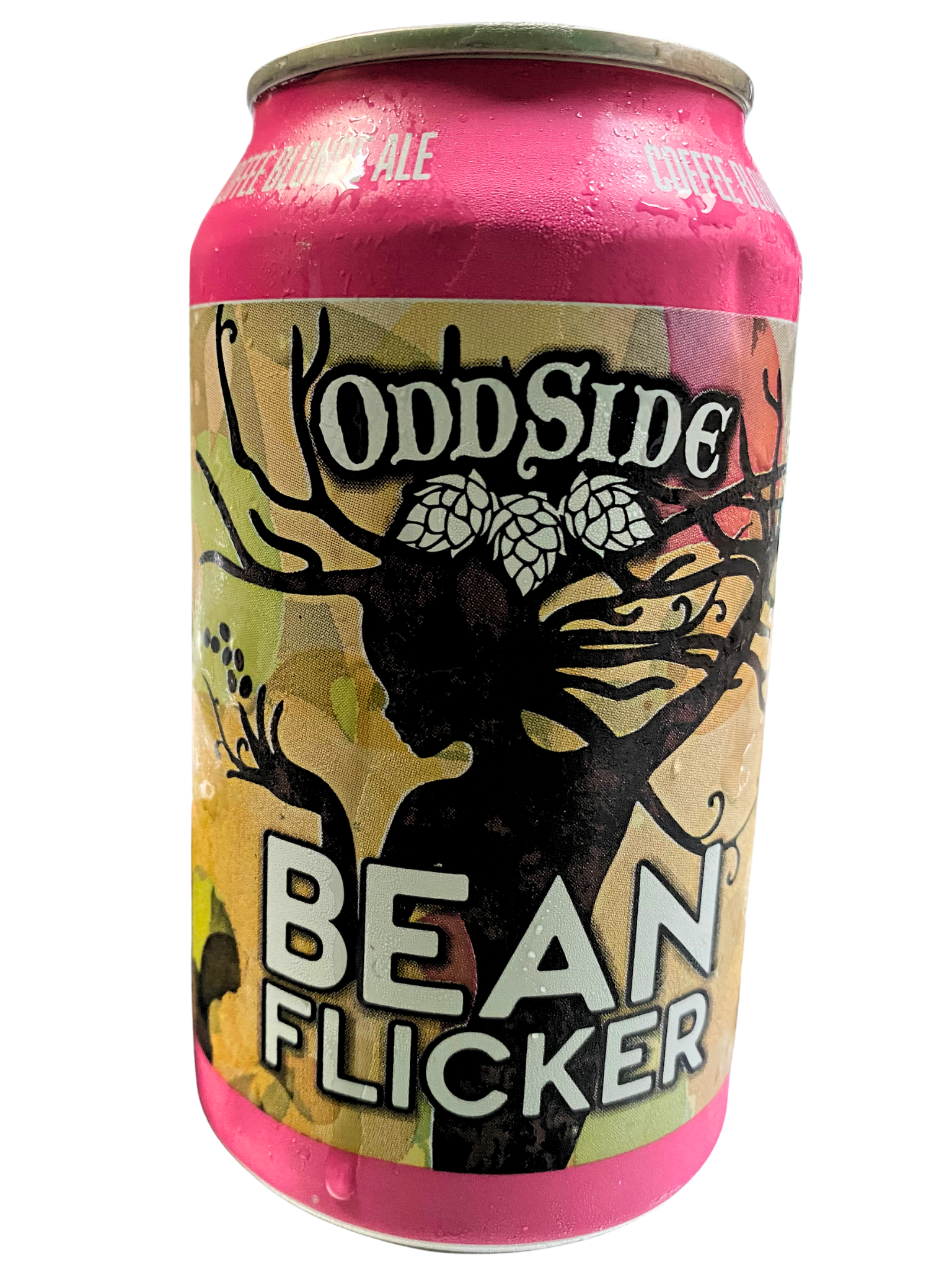
Your aluminum can is easy to recycle. A quick rinse to remove sticky liquids is all it takes. Place in your recycling cart or bin or return for deposit.
Check the can! Most aluminum cans say "RECYCLE ME!" on them. Carbonated drinks should have "MI 10¢" and can be returned to the store for your deposit.
Aluminum cans are cleaned, melted, and reformed into new aluminum cans.
Fun Fact: Aluminum cans can be endlessly recycled with no loss of quality.
Public Messaging
Pro-Tip
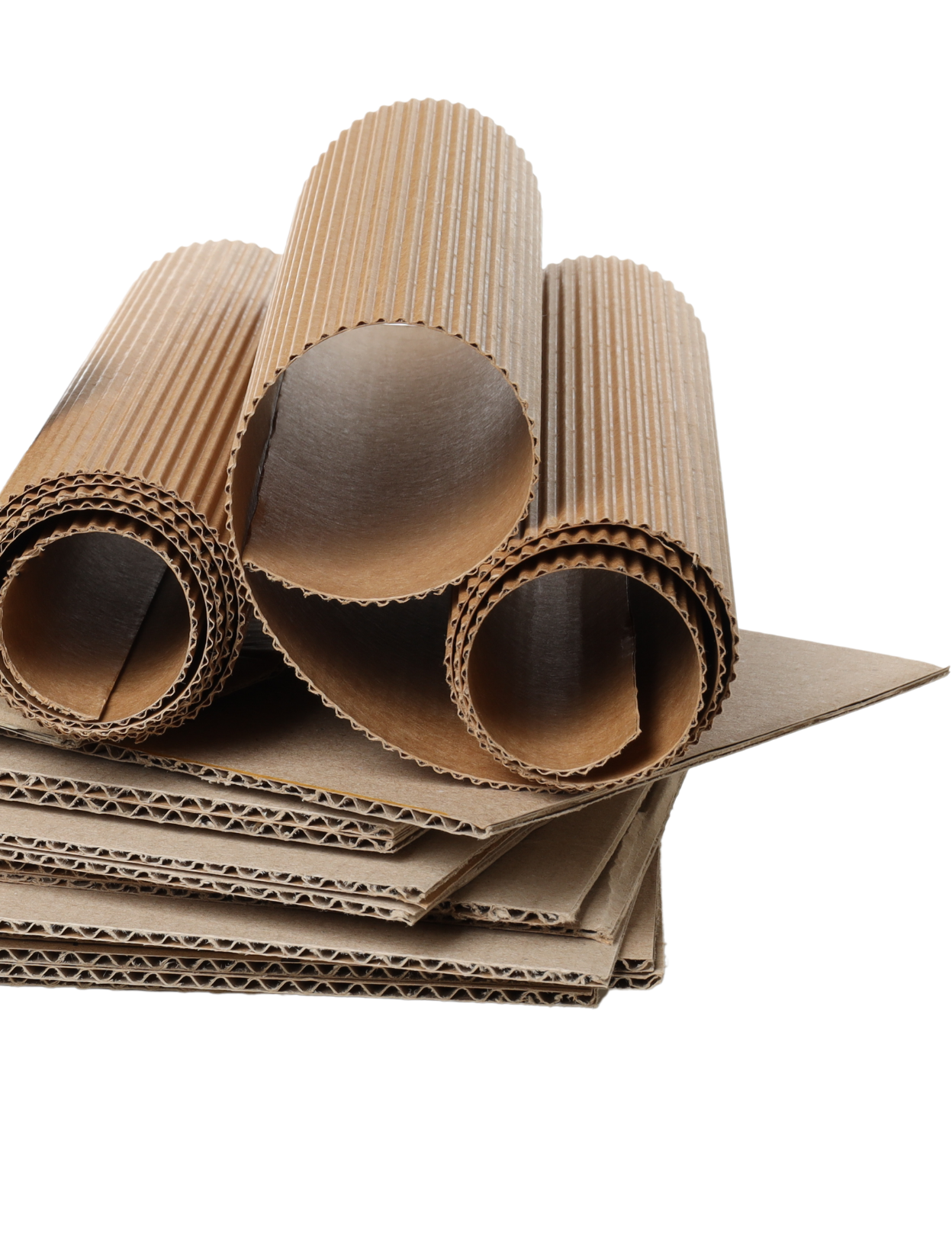
Dry cardboard is best for recycling. Quality degrades when ccardboard is wet or soiled.
Flattened cardboard boxes can be reused in their original form many times.
During recycling, cardboard is shredded, moistened to a pulp, and reformed into boxes.
Fun Fact: Cardboard can be recycled 5-7 times. Cardboard boxes, especially waxed (for water resistance) that isn't recyclable make excellent base material for garden paths or for weed suppression. You can also use them instead of plastic tarps for small plant jobs.
Public Messaging
Pro-Tip
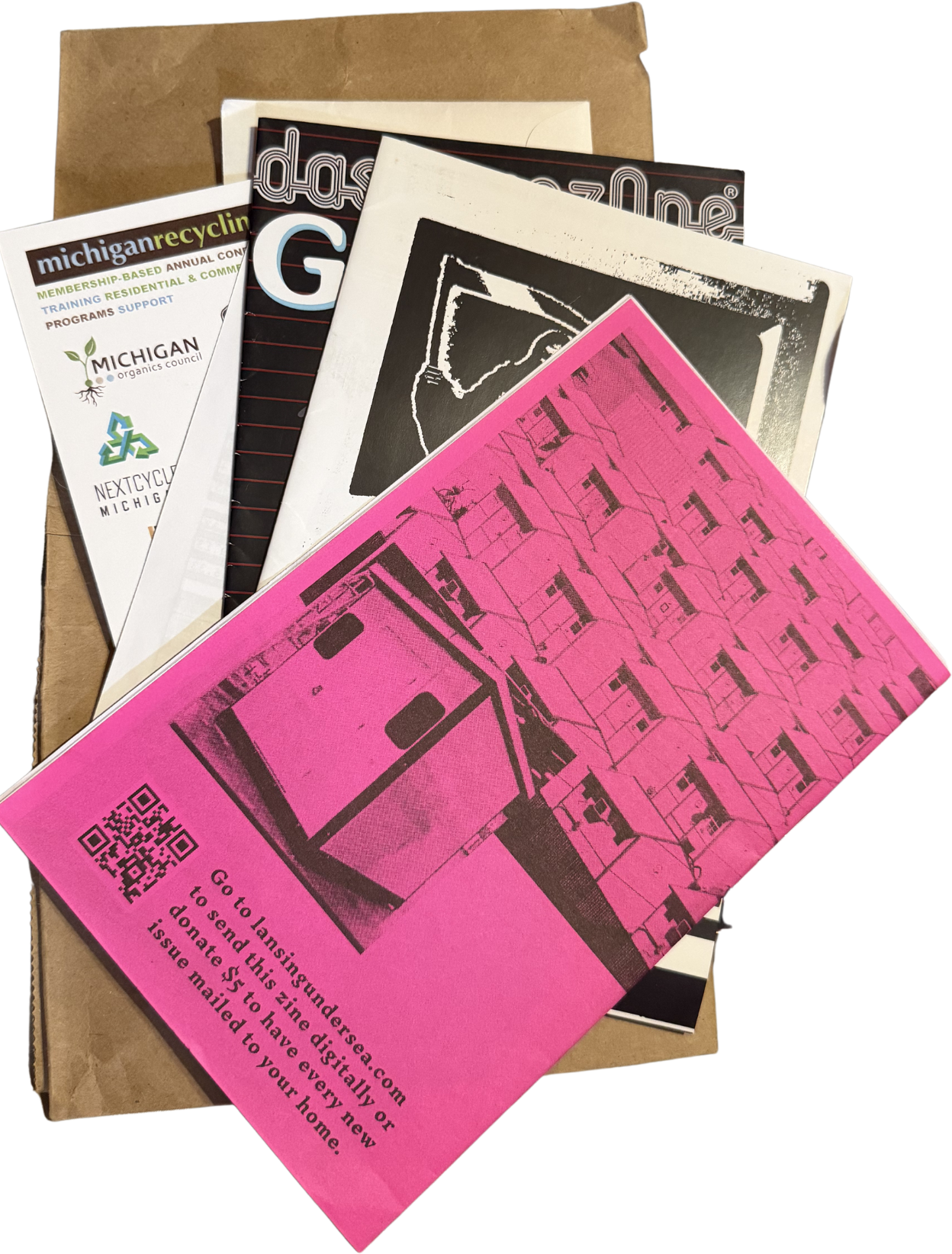
Most paper is recyclable, even paper with staples or tape, or envelopes with windows. There are 3 big exceptions. Don't recycle:
- Paper that contains leftover food which attracts pests
- Metallic or laminated paper, which are made with different types of material
- Shredded paper, which is too small for most recycling facilities. It falls through the sorting equipment, can contaminate other recyclables, and becomes litter.
Paper is easy to recycle. You don't have to do anything to it before recycling. You can include junk mail, glossy magazines, paperback books, newspapers, paper egg cartons, paperboard boxes like cereal boxes and beverage carriers, packing paper and cards and wrapping paper free of glitter and metallic inks/embossing. Watch out for laminated cards and thick plastic in mailers, they are not recyclable.
Paper Repurpose: Shredded paper can be reused in many ways, such as bedding for small animals and composting worms (vermiculture). It can also be added to compost piles and used as packing material.
Paper Recycling Cycle: Mixed paper is shredded, moistened, and reformed into paper products during recycling. Mixed paper can be de-inked and used as new paper, paperboard, cardboard, and even toilet paper.
Public Messaging
Pro-Tip
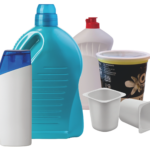
Clean and empty plastic bottles, jugs, and containers for food, beverages, and soap are typically recyclable. A quick rinse to remove sticky residue is all you need to do to recycle plastic containers.
Bottle caps can be screwed back on the plastic container. Small, flat, pop-on lids should be discared. The sorting machinery will likely not catch them.
Fun Fact: Clean plastics are shredded, melted, pelletized, and reformed into plastic bottles.
Public Messaging
Pro-Tip
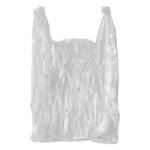
Plastic bags and other stretchy plastics are often accepted at grocery stores.
Non-container plastics like spray tops, utensils, stretchy film, and multi-material items should be refused, reused, or donated. Thesee items are not easy to capture and sort in the recycling sorting facility due to their size, material type, or available end markets.
Public Messaging
Pro-Tip
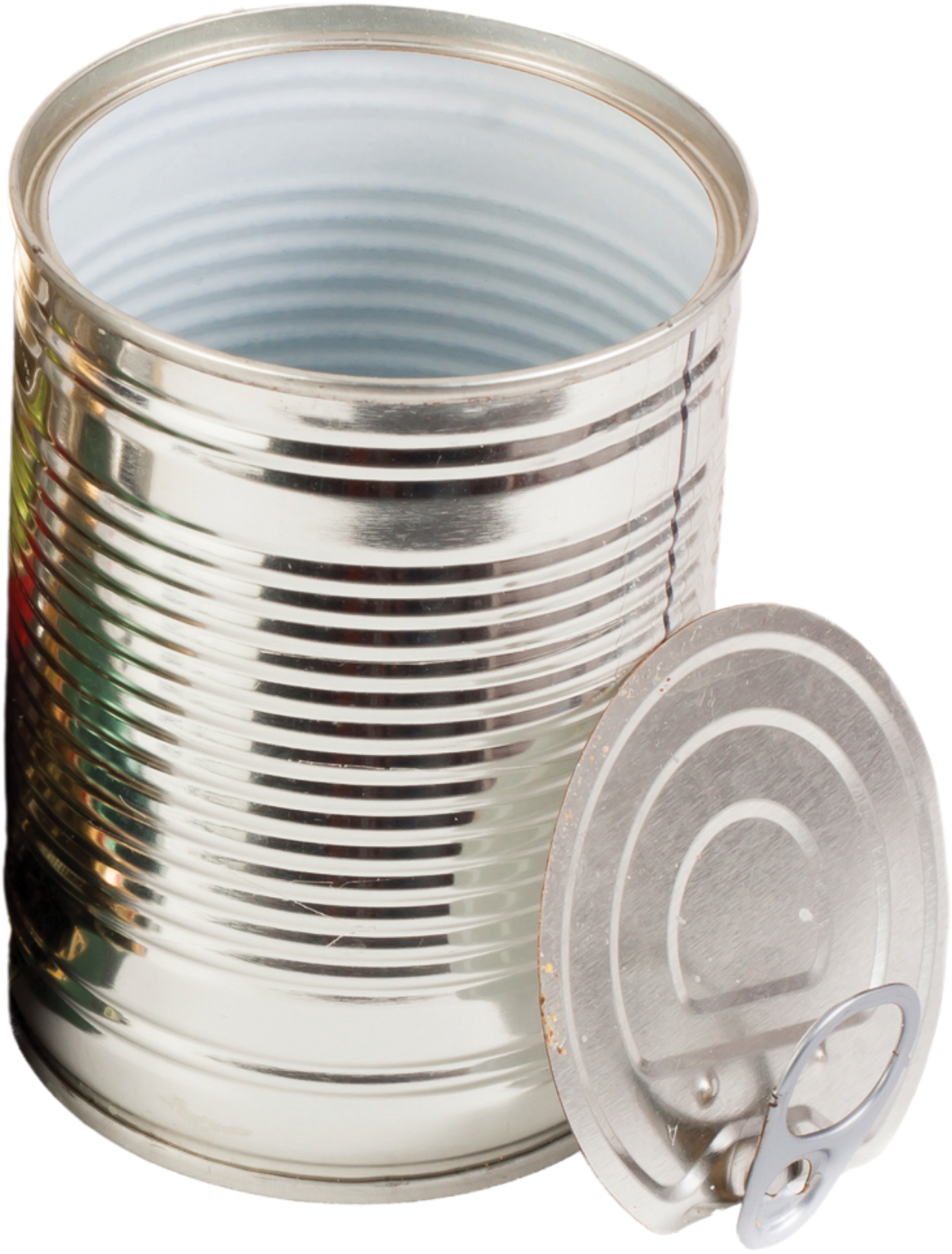
Steel cans, such as those that hold soup or vegetables, are easy to recycle with a quick rinse to remove leftover food. Labels do not need to be removed. Place the metal lid inside the container for safe, efficient recycling.
Magnets at the recycling center help attract these containers.
Metal cans are melted and transformed into new cans, auto parts, building materials, or appliances.
Fun Fact: Tin cans can be repurposed into a variety of arts and crafts items such as mirror frames, night lights, and candle holders.
Public Messaging
Pro-Tip
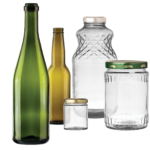
Many glass bottles fall under Michigan's deposit system. That's a 10¢ deposit on every single-serve carbonated beverage such as beer and soft drinks, but not wine bottles or spirits.
Glass colors are typically clear (flint), brown (amber), and green (emerald). Ceramic materieals (dishes, coffee mugs, statues, etc.) are not accepted in curbside or drop-off recycling. If they are in good shape, consider repurposing or donating.
Circular Glass Recycling in Michigan: Separated deposit return system glass has the greatest chance of becoming a new bottle within 30 days. Sorting this glass is easier than the glass bottle fragments found at most recycling facilities. However, that glass goes to a separate sorting facility.